
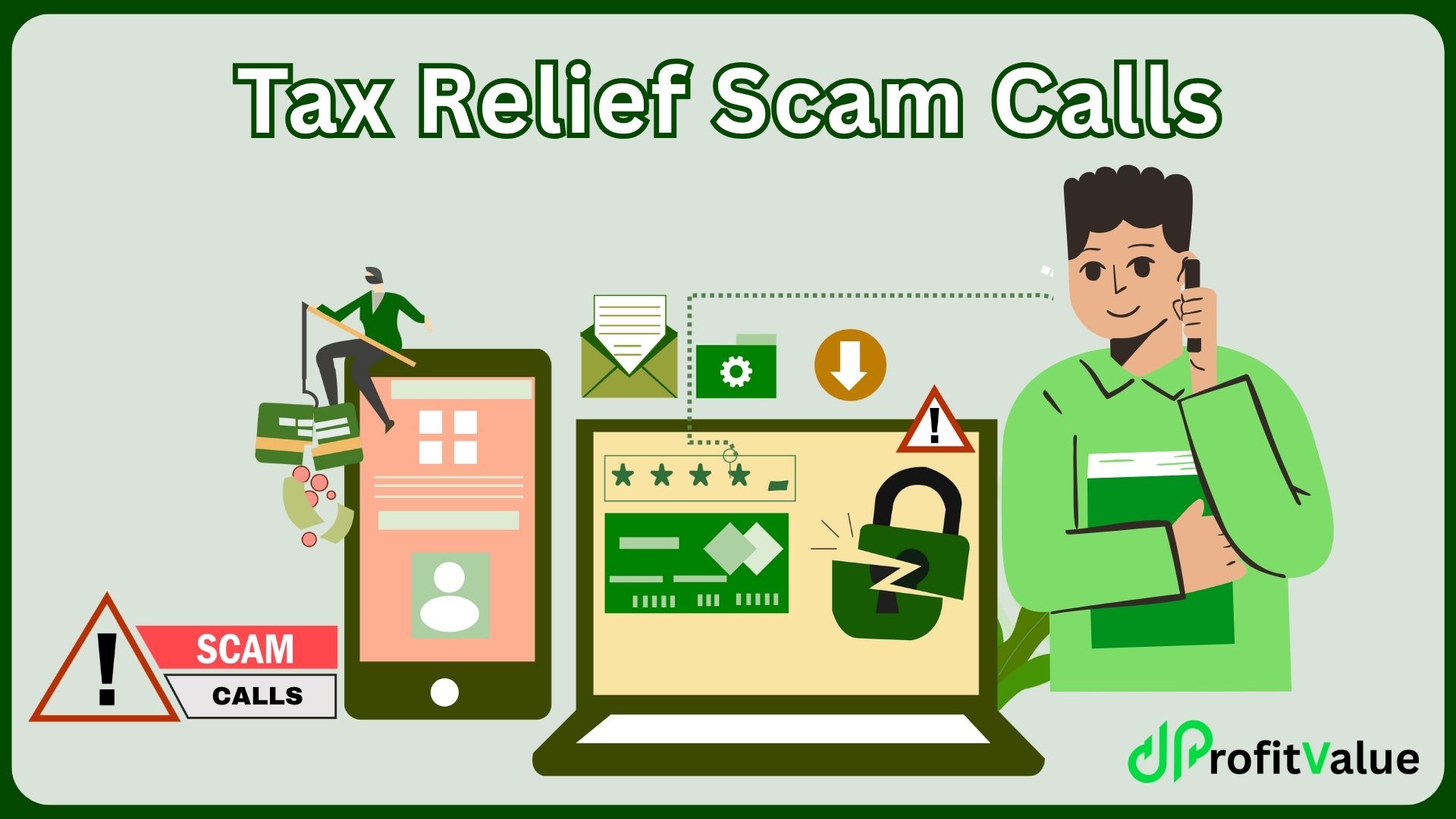
Each tax season, back tax scam calls flood U.S. households and cause urgent alarm. Scammers posing as an IRS agent relay false claims about owed amount of debt and demand immediate payment using a specific payment method like wire transfer or gift card. Research shows calls from tax relief services impersonating authorities escalate during filing periods and target taxpayers unsure about tax issues. Thankfully, this article offers a complete guide to report the call to the IRS, stop tax relief scam calls and prevent financial loss.
What Are Tax Relief Scam Calls and Why They’re Increasing
Calls from scammers falsely claiming to represent the Internal Revenue Service target unsuspecting taxpayers and demand urgent payment. These scam calls escalate because fraudsters exploit fear of owing back taxes and manipulate callers into sharing personal information. Because many taxpayers feel vulnerable about tax debt, scammers capitalize on pressure tactics and unfamiliar tax relief processes. As a result, more individuals report receiving calls threatening legal action unless they pay immediately or provide sensitive data.
Common Tricks Used in Tax Relief Scam Calls
Scammers often pose as IRS agents or representatives of a tax relief company, claiming you owe back taxes that must be paid immediately. They sound official and use convincing tax terms to appear credible.
Many use spoofed caller-ID numbers to mimic real IRS or tax office lines, making the call look authentic. This trick often leads taxpayers to trust the scammer and share personal information without verification.
Fraudsters frequently demand payment through gift cards or wire transfers, saying these methods will “resolve” the issue faster. They also threaten arrest or claim your bank account will be frozen unless you act right away, creating panic.
In some cases, the scammer already knows partial details about you, using them to gain trust. Once you “verify” your data, they steal it for identity theft or other tax scams, which the IRS warns are clear signs of tax fraud.
How Taxpayers Are Targeted Through Tax Scam Calls
Fraudsters often obtain caller-lists by exploiting public records or buying data on taxpayers who may owe taxes. They choose to contact individuals during tax-filing season, when the stress of returns and obligations is high.
The scammers exploit that some taxpayers owe back taxes and are already seeking relief. They insert themselves as the “solution” and push the fraud convincingly. They also target individuals less familiar with the tax system, such as first-time filers. Those who have not recently interacted with a tax professional are particularly vulnerable.
The scammer might claim you have a refund or missed filing a tax return. They then ask for sensitive information to “resolve” the issue quickly. Because the call creates urgency and frequently uses the word IRS, many taxpayers panic. As a result, they respond without verifying the caller’s authenticity or checking official IRS communication channels.
Common Phrases Scammers Use in Tax Relief Calls
During tax season, many taxpayers start receiving calls from tax relief companies or individuals pretending to be IRS agents. These relief scam calls often target people worried about tax debt or back taxes, using fear-based tactics to steal personal information or money. Knowing how to spot tax fraud can help you avoid falling victim to a scam.
(“You owe unseen taxes”, “We’re calling from the IRS”, “If you don’t pay now we will place a lien”, “Your Social Security number has been flagged”, “We’ll arrest you if you don’t send gift cards”, “You’re eligible for our tax relief service, just pay the fee today”, “Wire the payment immediately or your bank account will be frozen”, “This is your only notice”, “Our tax professional will reduce your debt”, “Act now before we seize your assets”, “Provide your personal information to validate your payment”, “Our records show you failed to file a return and owe back taxes”, “Call this number to avoid jail”, “We have your bank routing and will debit your account”, “You’ve been selected for tax debt relief, enter your bank info”, “Suspicious activity was found on your tax account, verify your identity”, “You must make payment via gift card to remain in good standing”, “Tax relief company audit guarantee, just pay today.”)
Reporting Tax Relief Scam Calls to the IRS
- Hang up immediately if you receive a suspicious call demanding payment or sensitive personal information and claiming to be the IRS.
- Contact the IRS directly using published phone number 800-366-4484 or visit IRS.gov to verify your tax-account status rather than calling back the number given by the caller.
- Email the phishing report to phishing@irs.gov with the subject line “IRS Phone Scam” and include the caller ID number, callback number and description of the call.
- Report the scam to the Federal Trade Commission online at FTC.gov or call 1-877-FTC-HELP, providing as many details about the scam call as possible.
- You can also report the scam to the Treasury Inspector General for Tax Administration (TIGTA) by visiting. Provide detailed information about the scam call. Include the caller’s number, time, and any messages left, to help federal authorities investigate and prevent future tax-related frauds.
- Keep records of the call (date, time, number, what was said) and monitor your tax-account and bank statements for any unauthorized activity.
Conclusion
Ultimately, relief scam calls can derail your finances and peace of mind if unchecked. When you receive a call from someone claiming to be the IRS, stay cautious. The real IRS will never handle communication that way. Know how to spot tax relief companies and use official IRS website contacts. Consult with a tax attorney or another trusted professional for guidance. This empowers you to resolve tax problems safely and stop unwanted calls. To better understand your actual tax obligations and avoid confusion exploited by scammers, learn how to use the average tax rate formula effectively.
Will you commit today to safeguard your information and report any suspicious tax relief calls?
FAQs
1. Is there a legitimate tax relief service I can trust?
Yes, consult only tax professionals listed on reputable directories and avoid companies that cold call you.
2. What risks do I face if I fall victim to a back tax scam call?
You might lose money and expose your social security number or bank account to tax fraud or identity theft.
3. How do I report the call to the IRS?
Report to the IRS using the impersonation scam form or call 800-366-4484 if you received a call demanding payment.
4. Can I check how much tax I owe to avoid these scam calls?
Yes, log into your account on the IRS website, verify official notices, and ensure you are aware of actual amounts owed.
5. Why do these calls spike during tax season?
Scammers exploit the heightened activity and stress around filings and tax debt relief during tax season to trick taxpayers.