

Who doesn’t love capturing beautiful moments with a camera? Many of us like to capture photos of every moment when we go out with our friends whether on a trip or just a casual meetup. Therefore, photography is embedded in our daily life. Many people have made a brand out of it as well earning good monthly income. This makes us wonder how to start a photography business.
Turning photography into a business requires more than a high-quality camera. It involves learning how to build your portfolio, attract your potential clients, pricing your photography services and manage the business side such as finances and marketing strategies. However, getting started with photography is not all that difficult if you follow the right strategies.
This article will explain how to start a photography business step-by-step. From choosing a niche to building a portfolio and attracting your clients, this guide will help you understand the basics in order to become a successful photographer.
How To Start A Photography Business? Become A Successful Photographer in 2026
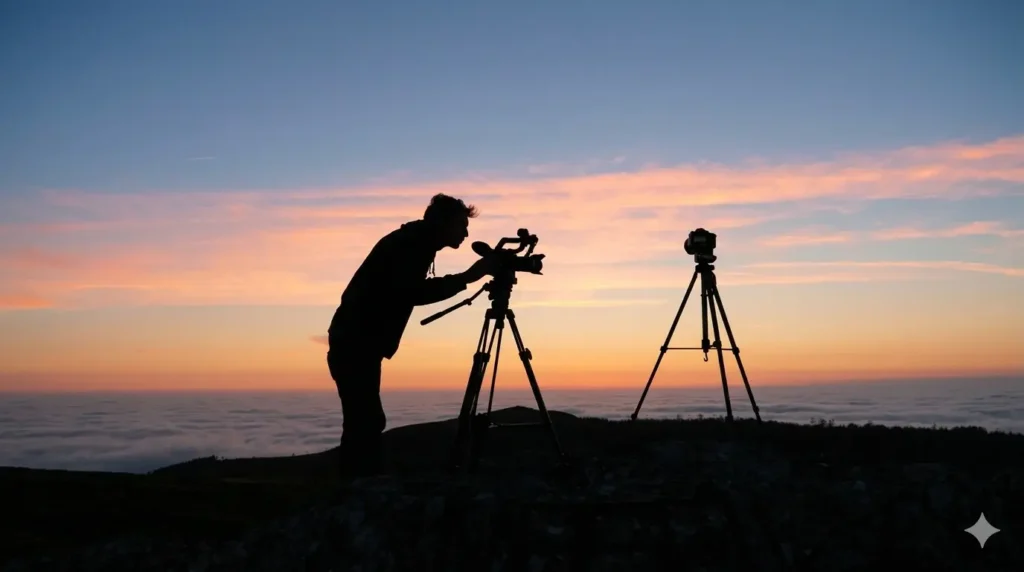
Starting your photography business in 2026 may seem hard at first especially considering the market competition. But with the right mindset, strategies and skills, it can be a very rewarding career path. If you are passionate about photography and willing to improve your skills, you can gradually turn your hobby into a profitable business. Here are the stratgies in order to be a sucessful photographer.
1. Choose your photography niche
This is the most basic step you need to do before executing your business plan. You will need to decide the type of photography you want to specialize in. The market offers many niches such as wedding photography, real estate photography, portrait photography, event photography, product photography and wildlife photography.
For example wedding photographers capture important life events. Whereas, product photographers help businesses promote their businesses online. Many professional photographers started with a single niche first and then later on mastered few more as well diversifying their income streams. But its recommeded start photography business with one niche to attract initial clients. Then, as you grow your business over time, you can expand into other niches.
2. Improve your photography skills
In order to start your own photography business, you will need to improve your skills first. Understanding lighting, composition, editing techniques and different camera settings can signficantly improve your photography skills. Practice regularly by taking photos in different environments and experimenting with various styles.You can also learn from online courses, tutorials, photography communities, and workshops to refine your skills and stay updated with industry trends.
3. Build a strong portfolio
Building a strong portfolio is the key to start a photography business from scratch and attract initial clients. It shows your clients what you are capable of. For building a photography portfolio, you can capture photos of your family, friends or at local events.
Your portfolio can be displayed on a personal website, social media profiles, or online portfolio platforms where potential clients can easily view your work.
4. Invest in the right equipment
While you do not need the most expensive gear to start, having reliable photography gear is important. A good camera, a few versatile lenses, proper lighting equipment, and editing software is the basic photography equipment you’ll need to run a photography business.
As your business grows and you gain more clients, you can gradually upgrade your equipment. Starting with essential gear helps keep your initial investment manageable.
5. Set your pricing and services
Pricing your services fairly is an important part of running a successful photo business. Research what other photographers in your area charge for similar services to understand the market rate.
You can offer different packages depending on the type of photography service you provide. For example, event photographers often create packages based on the number of hours, number of edited photos, or additional services like photo albums and prints.
6. Register your business
Once you start getting clients, you’ll need to register your business for running your photography company legally. Registering your business helps you operate your business legally and prevent legal troubles in the future.
First, you will need to select a business name. A good business name is crucial for cutting your competition. Then, you need to register your business name with a relevant government authority in your country or state. In many places, this is done through the local business registration office or a government website that handles small business registrations. This process officially allows you to operate your photography business under a registered name.
You may also need to apply for necessary permits, licenses, or tax identification numbers depending on the laws in your region. These requirements can vary from country to country, so it is important to check your local government’s small business regulations.
7. Open a business bank account
In oder to keep your business running, you will need to open a business bank account. This helps you separate your personal finances from your income allowing you to track your earnings successfully.
A dedicated business bank account also helps you appear more professional when dealing with clients. Payments for photography sessions, event shoots, or photo projects can go directly into your business account, making it easier to monitor your earnings and plan future investments such as upgrading your equipment.
8. Store your photos safely
Another important part of running a photography business is safely storing your photos. Photographers often deal with thousands of high-resolution images, which require proper storage. Using reliable hard drives allows you to back up your photos and protect them from accidental loss. Many professional photographers keep multiple backups of their work on external hard drives to ensure their client photos are always safe.
9. Understand sales tax and other tax responsibilities
Photographers are required to understand their tax obligations to avoid their tax issues. In many regions, photographers are required to charge sales tax on products they sell, for example printed photos, albums, framed images or photo books. Depending on your location, some photography services may also be taxable. Since tax regulations vary by city, state, and country, it’s important to know the rules that apply where your business operates.
In the US, photographers are required to register with tax authorities, collect required taxes from their clients and report to IRS accurately. The IRS provides official guidance for small business owners on tax obligations, record keeping and reporting income.
Moreover, different US states have their own tax policies for photographers. So, it is recommended to check your state’s official website to find tax related information for photographers.
10. Market your business effectively
The next most important step is to market your business efficiently. This can be done by either having a local photo studio at your area or creating one at your home. Next, you need to use social media for bringing potential clients. Make a facebook page with the relevant name and showcase your work there. Use Instagram as well for showing your best work.
Once enough people see you work, you will start getting some initial clients. Remember, that bringing clients from social media takes time. So, it is important to be patient and consistent. Additionally, you can also have a personal website which you can link in your social media handles. Having a personal website can make you look professional to your potential clients.
Lastly, customer satisfaction is priority. So, make sure that your work satisifes your customers to get recommended to others.
11. Sell your photos to stock photo websites
This is another option for photographers to diversify their income stream. Many bloggers, content creators and advertising agencies need images. So, they turn to stock photo websites where they either use free images or paid ones.
Therefore, you can sell your photos on websites like Unsplash, Pexels and ShutterStock. Target different niches, click photos accordingly, edit them well and sell them on these websites. It is recommended to use multiple platforms for maximizing your revenue.
After understanding how to start a photography business, let’s see how much do photographers earn.
How Much Do Photographers Earn?
Before starting a business, it is important to know how much photographers earn in order to make an informed decision. While earnings can vary widely based on experience, location, niche, and whether you work full‑time or part‑time, official data offers a good baseline to understand typical earnings.
According to the US Bureau of Labor Statistics, the median annual wage for photographers was about $42,250 per year ($20.44 per hour) as of May 2024. This means that half of all photographers earned more than this figure and the other half earned less.
It’s worth noting that many photographers work as self-employed professionals, and their income may differ from photographers employed full-time by media companies or studios. If you are interested to consider it as a career, then you might want to pursue a relevant academic background like a bachelor’s degree in Photojournalism and other certifications including expert-level knowledge of camera equipment. Furthermore, you can look for ways to earn extra income if you are worried that photography will not ease your financial hurdles.
Therefore, the median annual salary offers a benchmark for aspiring photographers. Whereas, established and experienced photographers can earn six-figure annual revenue depending on skill level, niche and busines strategy.
Conclusion
This article has explained how to start a photgraphy business successfully from finding initial clients to building a portfolio and handling paper work. Starting a photography business can be both rewarding and fun for creative individuals. While it requires more than just owning a camera, following the right steps like choosing an in-demand niche, building a portfolio, registering your business, managing taxes and marketing your business can turn your passion into a profitable career.
Earnings as a photographer vary widely depending on experience, niche, location, and whether you work as a freelancer or for clients, but with dedication and consistency, many photographers build sustainable and even high-income businesses. Additionally, opportunities like selling photos online or offering specialized services can create additional revenue streams.
By staying determined, patient and continuously improving your work, you can definitely establish a successful photography business in 2026. Do you have any questions? Let us know in the comments.
FAQs
What are the 10 types of photography?
The most popular types of photography include wedding, portrait, event, product, commercial, real estate, fashion, travel, sports, and wildlife photography. Each type requires different skills, equipment, and approaches, allowing photographers to specialize based on their interests and target audience.
How can I be a good photographer?
Becoming a good photographer involves practice, learning, and patience. Understand lighting, composition, and camera settings, and experiment with different styles. Continuously study other photographers, invest in quality equipment, edit your photos professionally, and seek feedback to improve your craft.
Which type of photography is most in demand?
Demand varies by location and industry, but generally, wedding photography, event photography, commercial/product photography, real estate photography and portrait photography are consistently in high demand. Businesses and individuals increasingly rely on high-quality visuals for marketing, social media, and personal milestones.
How much does it cost to start a photography business?
Starting costs depend on your niche and equipment needs. At a minimum, you need a good camera, lenses, lighting, and editing software, which can range from a few hundred to several thousand dollars. Additional costs include business registration, marketing, and insurance. Starting small and gradually upgrading equipment is common for beginners.
Can I start a photography business from home?
Yes, many photographers start from home by offering services such as portrait sessions, product photography, or selling stock images online. You can also create a home studio for small shoots. Working from home reduces overhead costs, but you will need a professional setup, proper lighting, and an organized workflow to deliver quality results.