
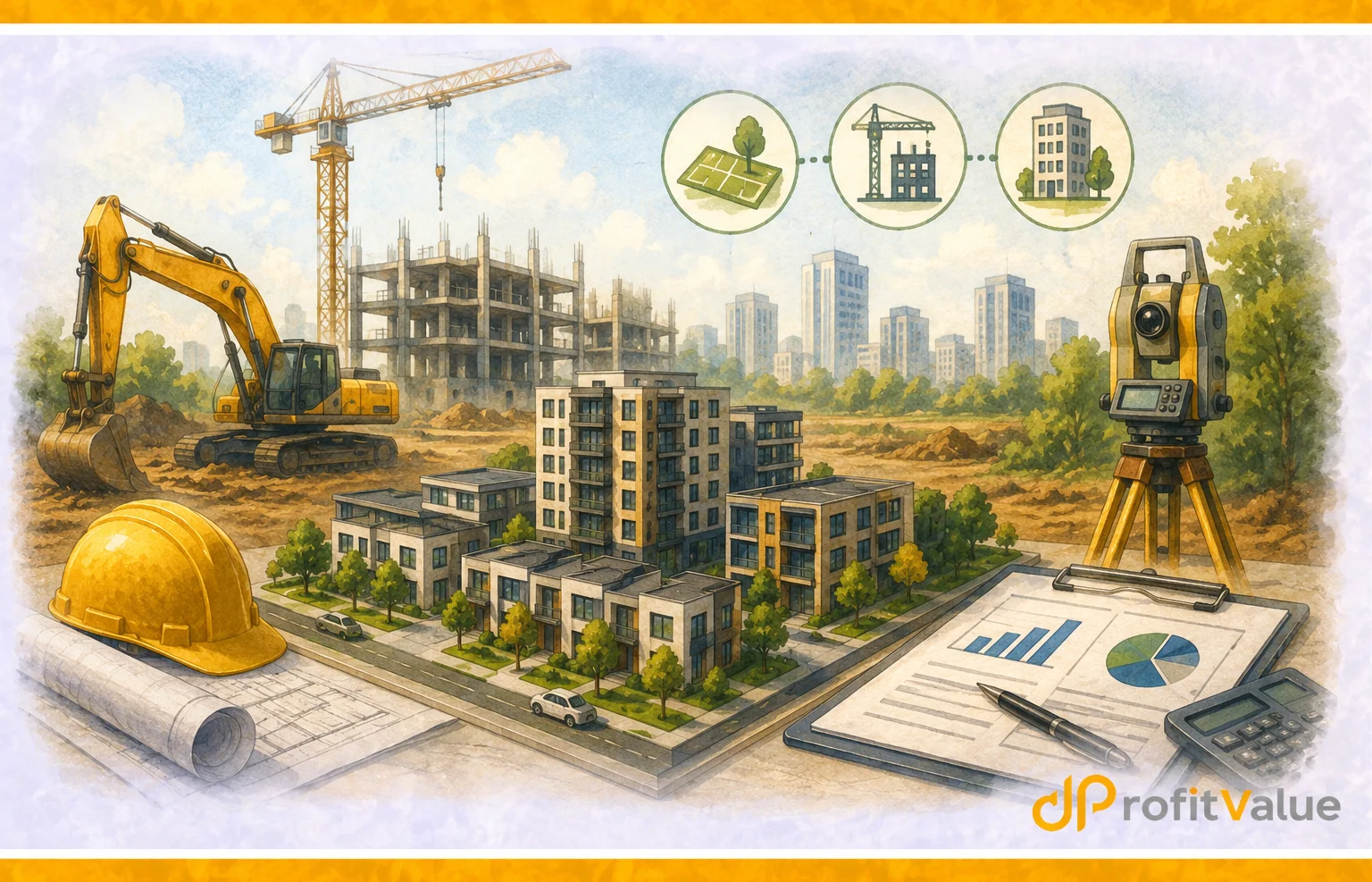
Property development is one of the most profitable businesses in 2026. In fact, it is one of the fastest-growing sectors globally as demand for rapid urbanization, housing, and business accelerates. From residential and commercial properties to developing large data centers, real estate development plays a major role in revolutionizing our lives.
However, being a real estate developer is not easy. It involves a complex development process from financing to establishing a successful property. Understanding market dynamics and legal regulations is important for aspiring property developers.
This article will explain everything about property development, including how it works, the different types of development projects, required skills, costs, risks, career opportunities, and how beginners can enter the industry successfully.
Property Development: Definition, Process & Types
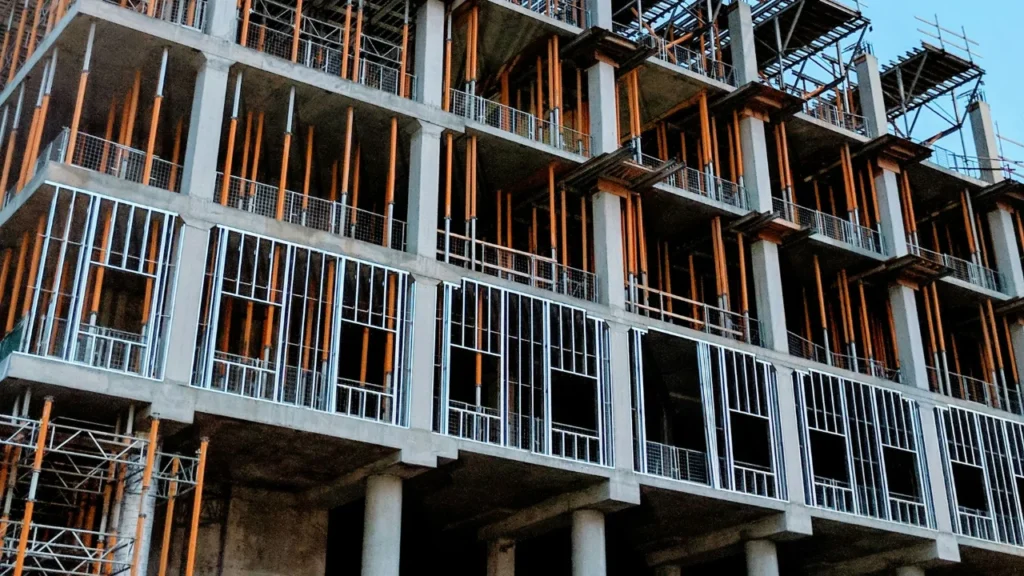
Property development is the process of:
- Purchasing land or existing developed properties
- Architects renovating or constructing buildings
- Increasing an asset’s valuation for sale, lease, or long-term investment purposes
It is one of the most important sectors within the real estate industry because it directly shapes residential communities, commercial districts, industrial zones, and mixed-use urban spaces.
Residential Development
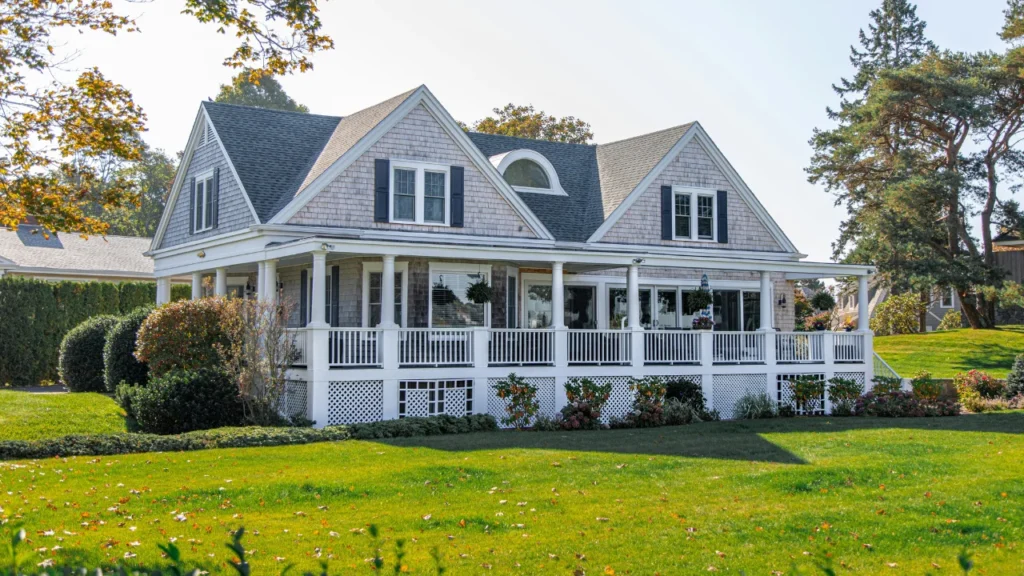
Residential real estate development focuses on properties designed for people to live. They are:
- Single-family homes
- Condos
- Apartments
- Housing communities
These projects are influenced by market dynamics, population growth, housing demand, and infrastructure development.
Commercial Development

Commercial development focuses on properties designed for commercial purposes or business activities. These include:
- Office buildings
- Retail centers
- Shops
- Hotels
- Entertainment complexes
These projects require a better understanding of the commercial real estate market, larger property development finance, and feasibility analysis. Success in the commercial real estate development industry depends on:
- Business demand
- Location
- Economic conditions
Industrial & Mixed-Use Developments
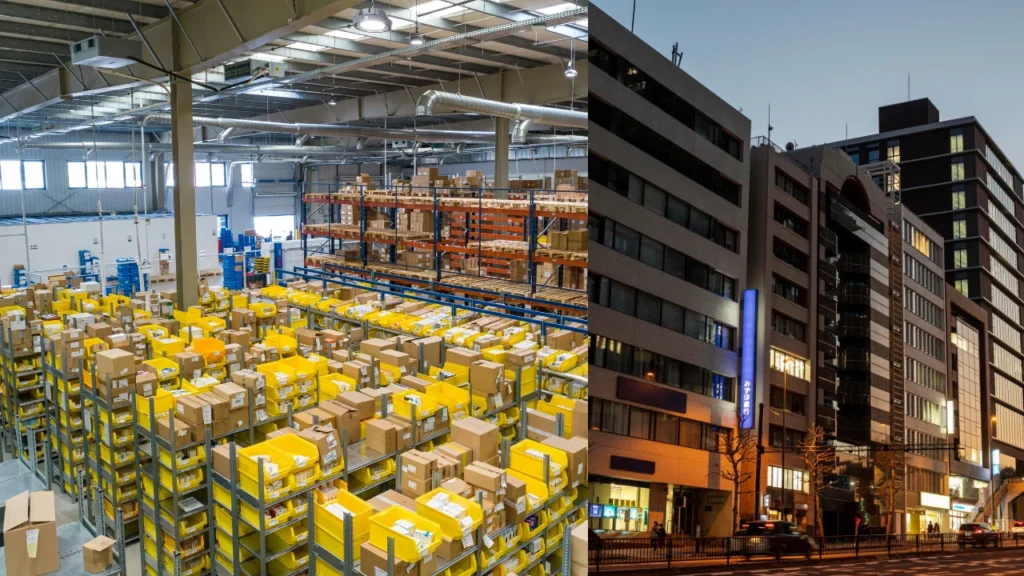
Industrial developments focus on warehouses, manufacturing facilities, logistics hubs, and data centers. While the mixed-use property development industry focuses on combining residential, commercial, and recreational spaces within a single project.
In these projects, the lower portion is typically used for commercial activities (shops), while the upper portion is used for residential purposes. These kinds of properties generate significant returns on investment (ROI) due to their multi-purpose use.
The Role of Property Developers
Property developers are basically the brains behind every successful project. They work with:
- Financial analysts
- Engineers
- Regulatory authorities
- Investors
- Architects and contractors
to ensure the financial feasibility of the real estate development process and legal compliance of the project. Becoming a real estate developer requires careers in finance, construction, or real estate investment. Whereas some people pursue this field after obtaining a real estate license or working as a property manager.
Large-scale developments may also involve investment structures connected to REITs and property development companies, producing opportunities such as the best-paying jobs in REITs or asset management.
How Does the Property Development Process Work?
A successful property development process follows a structured path, where each step determines the viability of the project. Here is an overview of the exact procedures most developers follow for their projects.
Site Selection and Land Acquisition
This step requires the identification of acquisition opportunities of suitable land or existing properties. Developers analyze:
- Location potential
- Local market dynamics
- Zoning regulations
- Infrastructure access
- Long-term growth prospects
before deciding to finalize the project.
Feasibility Study & Market Analysis
Once a site is selected, developers conduct feasibility studies to assess whether the project is financially viable. This includes analyzing demand, pricing trends, construction costs, and expected returns. Market research ensures the project aligns with current and future real estate needs.
Planning & Approval Process
Prior to starting the construction process, developers must obtain approvals and planning permission from local authorities. This stage includes submitting architectural plans, complying with zoning laws, and meeting environmental and safety regulations. In many countries, this is one of the most time-consuming phases.
Property Development Finance
Property development projects are capital-heavy, so securing funds is the most important step. Developers may rely on bank loans, private investors, or institutional funding sources. Sometimes, REITs and other investment groups may also be involved in the case of large-scale projects.
Construction and Project Management
Once approvals and financing are in place, construction begins. Developers coordinate with architects, engineers, contractors, and project managers to ensure timelines, budgets, and quality standards are maintained.
Sales, Leasing & Completion
After successful development, the property must be used to generate revenue based on its type. If the property covers the development costs in a given number of years, then the project will be considered successful. Marketing strategies, pricing decisions, and occupancy rates are the critical factors that decide the profitability of the project.
Requirements for a Real Estate Developer Career
Becoming a successful property developer requires a mix of:
- Educational background
- Soft & Technical skills
- Certifications
- Hands-on experience through internships
As the role involves managing large capital, employers prefer a strong understanding of financial and construction aspects.
Educational Requirements
While a degree is not always mandatory, having one can give you an edge in the employment process. Most successful developers come from academic backgrounds in:
- Real estate
- Finance
- Business administration
- Construction management
- Architecture or Economics
These fields help build a foundation in market analysis, investment principles, and project planning.
Certifications
Certifications such as:
- An estate agent license
- Project management certifications (such as PMP)
- Construction or valuation-related credentials
can significantly boost the job prospects in the industry.
Internships and Professional Experience
Gaining hands-on experience is critical in this field. Most professionals start through internships or entry-level roles in real estate firms, construction companies, investment funds, or development consultancies. These internships help gain professional experience and industry knowledge of how development projects work in the real world.
Technical Skills
Property developers must be proficient in financial modeling, budgeting, and data analysis. Familiarity with tools like Excel, real estate valuation methods, and project planning software is highly valuable.
Soft Skills
The real estate industry runs on communication with people. Therefore, aspiring developers must have strong communication and negotiation skills as well as the ability to solve complex problems quickly. Strong decision-making and risk management under uncertainty are essential for long-term success in the industry.
Salary of a Property Developer
Salaries of property developers depend greatly on location. For example, metropolitan areas like New York, Las Vegas, and Los Angeles have a high demand for properties. Therefore, these areas might pay more than rural areas like Nevada or Utah. It is recommended to refer to the Bureau of Labor Statistics (BLS) data for better information on the salaries of developers.
Average Salaries Based on Experience
Like any other field, experience is another critical factor that determines the salaries of property developers. Here is a brief overview of salaries based on experience.
- Entry-Level Property Development Roles (0–3 Years)
Entry-level developers earn an average salary of $55,000-$75,000 per year. At this stage, the focus is on learning project workflows, assisting senior developers, and gaining exposure to land acquisition and development planning.
- Mid-Level Property Development Roles (3–7 Years)
With several years of experience, developers move into managerial roles such as development manager, acquisitions manager, or project manager. At this level, developers earn $80,000-$130,000 per year.
- Senior Property Development Roles (7+ Years)
Senior property developers or directors oversee full-scale residential, commercial, or mixed-use developments, including financing, negotiations, and strategic planning. At this stage, developers are earning $130,000-$200,000 per year, along with increased compensation and bonuses.
Property Development As A Business Activity
Real estate development opens the doors to not just corporate roles, but the entrepreneurial aspects in the industry as well. In this model, individuals, investors, or development companies use their own capital or financed funds to acquire land or existing properties, improve or construct them, and sell or lease the finished asset for profit.
As you build capital by working in corporate roles, you can invest that money into your own projects. The development process has been explained above already for you to decide if you want to launch your own projects in the future.
You don’t need big money to start. First, you can start with a small and low-cost rental home. If it gains success, you can move into more commercial and industrial projects. Overall, the field gives you the freedom to pursue a conventional job, start your own business, or both.
Conclusion
Property development is one of the most diverse career options, giving you the freedom to start your own business along with working a job. Basically, it is the process of acquiring land or renovating existing properties for development purposes. There are multiple types of properties that developers often work on.
As a career path, it offers structured opportunities through roles in development firms, REITs, and investment companies, where professionals grow through experience in analysis, project management, and deal execution.
At the same time, the business side of property development offers significant profit potential for individuals willing to take on higher risk, secure funding, and manage complex projects. So, are you ready to pursue property development as a career path or a business option? Let us know in the comments.
FAQs
What is property development?
Property development is the process of buying land or properties, improving or constructing them, and selling or leasing them for profit. It can be done as a corporate career or as an independent investment business.
Is property development a good career in the US?
Yes, property development can be a rewarding career in the US, especially for individuals with strong financial, analytical, and project management skills. It offers high earning potential but also involves competition and risk.
Do you need a degree for property development?
A degree is not always required, but most professionals have backgrounds in real estate, finance, business, construction management, or economics. Practical experience and internships are often just as important.
How much do property developers earn in the US?
Earnings vary by experience and role. Entry-level professionals may earn around $55,000–$75,000, while senior developers can earn $130,000 or more, depending on project scale and performance.
What skills are needed for property development?
Key skills include financial analysis, market research, project management, negotiation, and risk management. Strong communication and decision-making abilities are also essential.