

Real estate is one of the most popular assets for investors across the globe. Accordingly, real estate is divided into two types: residential and commercial real estate. Residential obviously means houses, mansions, villas etc. But what is commercial real estate? Is it just shopping malls and warehouses?
The truth is that commercial real estate covers a variety of different sectors like data centers, corporate buildings, retail stores etc. Commercial real estate allows investors to generate revenue through a variety of different ways. Some investors lease properties directly to businesses and then generate recurring revenue while others invest through REITs companies. But how do you invest in commercial properties? And, which is better: commercial or residential real estate?
This article will explain what is commercial real estate along with property types and comparison with residential real estate to see which generates more cash flow over time.
What Is Commercial Real Estate?

Commercial real estate (CRE) refers to properties that are used by businesses or for income-generating purposes. These properties are usually leased to organizations, businesses, companies and retailers which use the building space for operating their businesses.
Since CRE properties are rented out to businesses, it can provide investors with a predictable and stable rental income. Moreover, businesses survive longer at a specific location than families or individuals living on rent at a residential property. Commercial property owners tend to sign multi-year lease contracts, which means that property owners can benefit from consistent cash flow and long-term agreements.
Commercial real estate also tends to generate higher rental income compared to residential properties, although it may require larger initial investments and higher maintenance costs.
Because commercial real estate investing requires large starting capital, investors can also invest in REITs companies instead of purchasing properties directly. Now that we have understood what are commercial properties, let’s explore the different types of commercial real estate.
Types Of Commercial Real Estate
Commercial real estate market includes a variety of different properties used by businesses. Each property type is used for a specific business and generates income in different ways. Understanding these property types is essential for investing the right way depending on budget, risk tolerance and long-term investment strategy. Here are 8 types of commercial real estate properties.
1. Office buildings

Office buildings are a popular type of commercial real estate. These properties are leased to businesses and organizations to use as workspace. Investors sign multi-year lease contracts with these organizations which provide a stable and consistent cash flow. Income varies depending on building size, location and condition. Moreover, managing office spaces requires significant effort based on the categories defined below.
Class A
These are high-end buildings located in prime buisness areas. They generate the highest revenue due to their location and condition.
Class B
These are mid-range buildings with moderate facilities. Their revenue is the second highest for investors.
Class C
These are older buildings with lower rental costs typically located in residential areas. Their revenue is the lowest for investors due to their location and condition.
2. Retail properties

Retail properties include properties used by businesses that sell products or services to consumers. These can be:
- Shopping malls
- Local marts
- Shops
- Restaurants
Revenue from these properties depend heavily on location and foot traffic. But they generate a consistent and stable monthly revenue for the investors.
3. Industrial properties

Industrial real estate refers to properties used for manufacturing, production, storage and logistics operations of a business. These are:
- Production facilities
- Factories
- Warehouses
- Manufacturing plants
- Logistics facilities
With the rapid growth of e-commerce, warehouses and distribution centers have become one of the fastest-growing sectors in commercial real estate.
4. Hospitality properties

Hospitality properties refer to businesses that provide accomodation to tourists and travellers. These are:
- hotels
- resorts
- motels
- conference centers
These properties generate revenue from room bookings, events, restaurants, and other hospitality services.
5. Mixed-use properties

These properties are used for multiple purposes within the same property. For example, a building may include:
- retail stores on the ground floor
- office spaces on the middle floors
- residential apartments on the upper floors
These properties allow investors to diversify their income streams by providing spaces for both commercial and residential purposes.
6. Special purpose properties

Special purpose properties include a property leased for a specific type of business. These include:
- Schools
- Hospitals
- Gas stations
- Data centers
These properties operate in niche based markets with limited competition which can be very beneficial for investors. But reselling these properties is not easy. These properties have a very limited resale market and require specialized knowledge to retain and attract tenants.
7. Land for commercial development
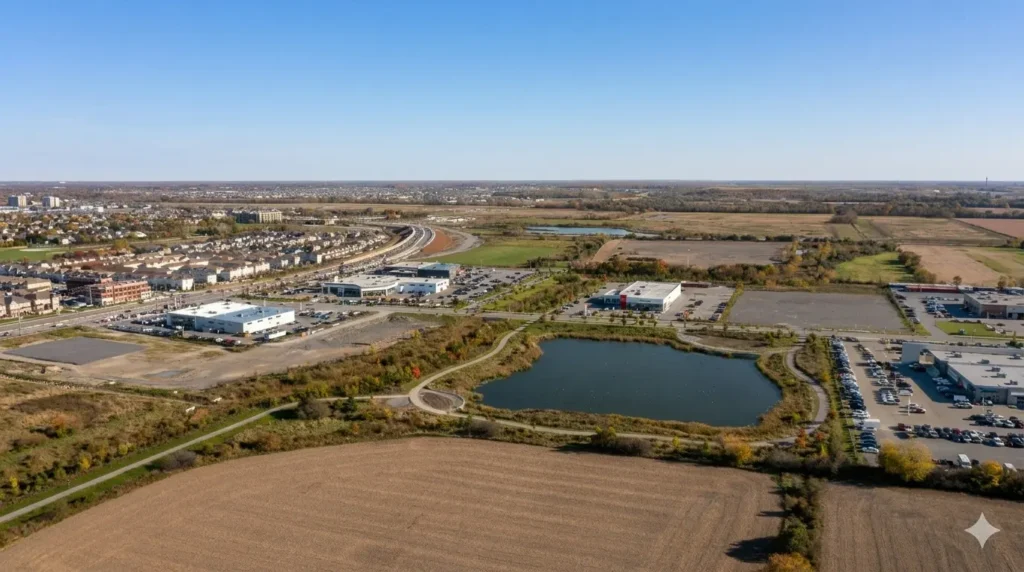
Commercial land refers to undeveloped land which will be used in future for commercial purposes or selling at a profit later. While commercial land can appreciate significantly over time, it also carries higher risks, such as zoning restrictions, construction costs, and delays in project approvals.
8. Multifamily apartment complexes
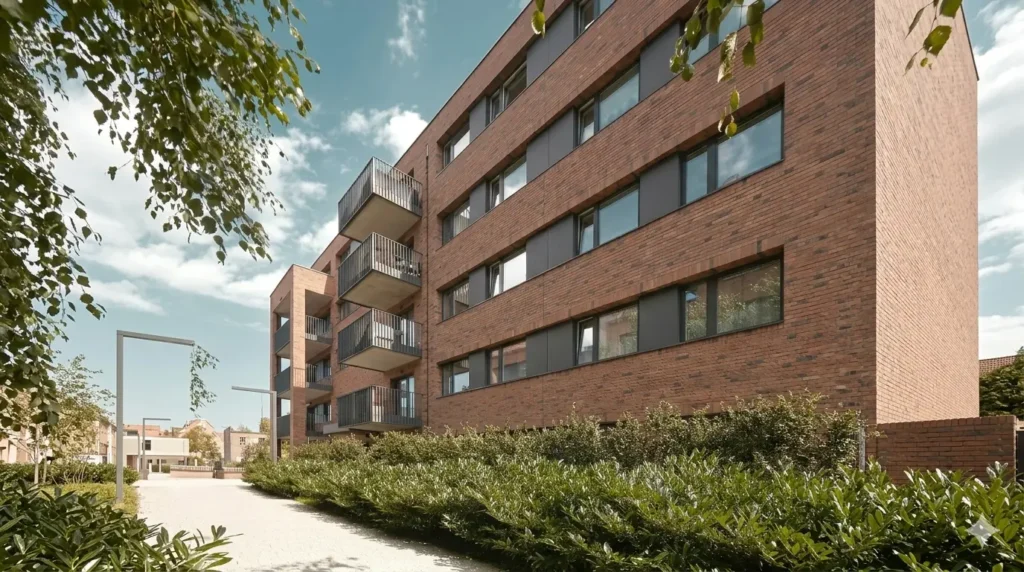
Multifamily aprtment complexes that are treated as commercial investments fall under multifamily properties. This type of property can be very beneficial for investors as they reduce the impact of vacancies in comparison to individual houses. While multifamily properties can be very profitable, maintaining and operating these properties require active involvement, including handling tenant turnover, maintenance, and legal compliance.
After understanding the types of commercial properties, let’s explore the pros and cons of commercial real estate.
Pros & Cons Of Commercial Real Estate
Investing in commercial real estate offers many advantages and challenges to investors. Understanding the pros and cons is essential for making an informed decision. Let’s understand the pros of investing in commercial real estate.
Pros
1. Stable revenue
This is the biggest advantage of investing in commercial properties. Commercial real estate is leased to businesses on a multi-year contract basis unlike residential properties which have shorter lease terms. This can provide recurring revenue.
2. High rental income
Due to the business nature of these properties, they generate higher cash flow than residential properties especially if they are situated in prime locations.
3. High appreciation
For investors looking to sell their properties at a profit, commercial real estate provides higher appreciation value than residential properties. Since, more businesses get established over time, commercial real estate appreciates higher than residential real estate.
4. Multiple income streams
Some commercial properties like multi-use real estate can diversify your income streams in comparison to residential properties as well as maximize your property space. This reduces the risk of revenue decline if some of your tenants fail to renew their contracts ensuring a predictable revenue.
Cons
1. High investment required
Commercial real estate requires huge upfront capital than residential properties. Therefore, purchasing or developing commercial properties can be a barrier for small investors.
2. High maintenance costs
Maintenance costs for commercial properties is much higher than residential properties especially for Class A property owners. So, apart from purchase costs, operational costs will require more capital depending on location and building’s condition.
3. Economic uncertainties
Some sectors like retail or hospitality are sensitive to economic fluctuations. Therefore, you will be needed to bear a decline in revenue to unforseen economic conditions.
4. Risk tolerance
Commercial real estate carries vacancy risks, especially in areas with less demand or if tenants failed to renew their lease contracts. Investors need to carefully assess the location, tenant stability, and market conditions before committing to a commercial investment.
Additionally, if managing commercial real estate yourself can be overwhelming, consider investing in REITs companies like Simon Property Group. These companies own and manage income-generating revenue. So, you buy shares in these companies without managing a property yourself. Later, when you earn a profit, you can redirect it into a property of your own. After understanding the pros and cons, let’s compare commercial and residential real estate to see which is better for investment purposes.
Commercial vs Residential Real Estate: Which Is Better?
When it comes to investing in real estate, many people wonder whether commercial real estate is better than the latter. Both have their advantages and challenges. Let’s talk about commercial real estate first.
Commercial real estate
Commercial real estate has a high earning potential due to its business nature. Commercial properties tend to provide a more stable and long-term revenue in comparison to residential properties as they are leased out to businesses and organizations. However, they carry their own risks. Maintenance costs are high and economic fluctuations can seriously impact revenue for some sectors. However, many investors have made millions with dealing in commercial real estate. That being said, many investors end up losing their money as well.
Residential real estate
Residential real estate has a lower earning potential than commercial properties. But maintenance and operational costs are lower than commercial properties as well. So, many investors prefer owning residential properties due to lower maintenance costs. However, lease contracts are short-term, so investors sometimes bear months without any revenue unlike commercial real estate where contracts are long-term.
Additionally, earning rental income from residential real estate is subjected to income tax in most countries including the US. So, if you are looking to buy residential properties, then consider learning how to reduce taxes on rental income legally to maximize your revenue.
Furthermore, if you can’t afford to invest right now, then consider pursing a career in REITs companies as they offer property management opportunities. Moreover, you can learn from these companies when you work for them which will help you maximize your own revenue from your investment portfolio.
Lastly, the choice between the two depends on your long-term investment goals, risk tolerance and starting capital. Some investors also perfer owning both real estate properties diversifying their income streams.
Conclusion
Commercial real estate is booming globally especially as more businesses and startups continue to rise. From office spaces and retail properties, to industrial and hospitality properties, commercial properties offer a variety of choices for investors. Understanding property classes, such as Class A, B, and C, helps investors make informed decisions about quality, location, and potential returns.
While CRE provides higher ROI, it requires significant capital and risk tolerance as well. Therefore, many investors start with investing in REITs companies first to gain profit. Then they later use that money to buy real estate of their own.
Lastly, it is recommended to conduct your own research before committing to a commercial real estate investment. Commercial properties can be very profitable if you make informed decision. Accordingly, you can end up losing money as well if you do it wrong. Therefore, conduct rigorous research and strategic planning to minimize the risks. Do you have any questions? Let us know in the comments.
FAQs
What type of commercial property is most profitable?
Industrial properties and office buildings in prime locations often generate the highest returns due to long-term leases and strong demand.
What is the biggest problem in commercial real estate?
High initial investment and the risk of tenant vacancy are the main challenges investors face.
Can I invest in commercial real estate without buying property?
Yes, you can invest through REITs, crowdfunding platforms, or partnerships without direct ownership.
How long are commercial leases usually?
Most commercial leases range from 3 to 10 years, providing stable, long-term income.
Is commercial real estate riskier than residential?
It can be, due to higher costs, market sensitivity, and specialized tenant requirements, but it often offers higher returns.